Our laboratory seeks to understand the molecular mechanisms that regulate the establishment, maintenance, and modification of cellular phenotypes.
We focus on developmental biology of the vertebrate vestibular system and the biology of the glioblastoma tumor microenvironment. Although these represent distinct biological systems, both provide opportunities to investigate how molecular regulatory networks influence cellular identity, tissue organization, and biological function.
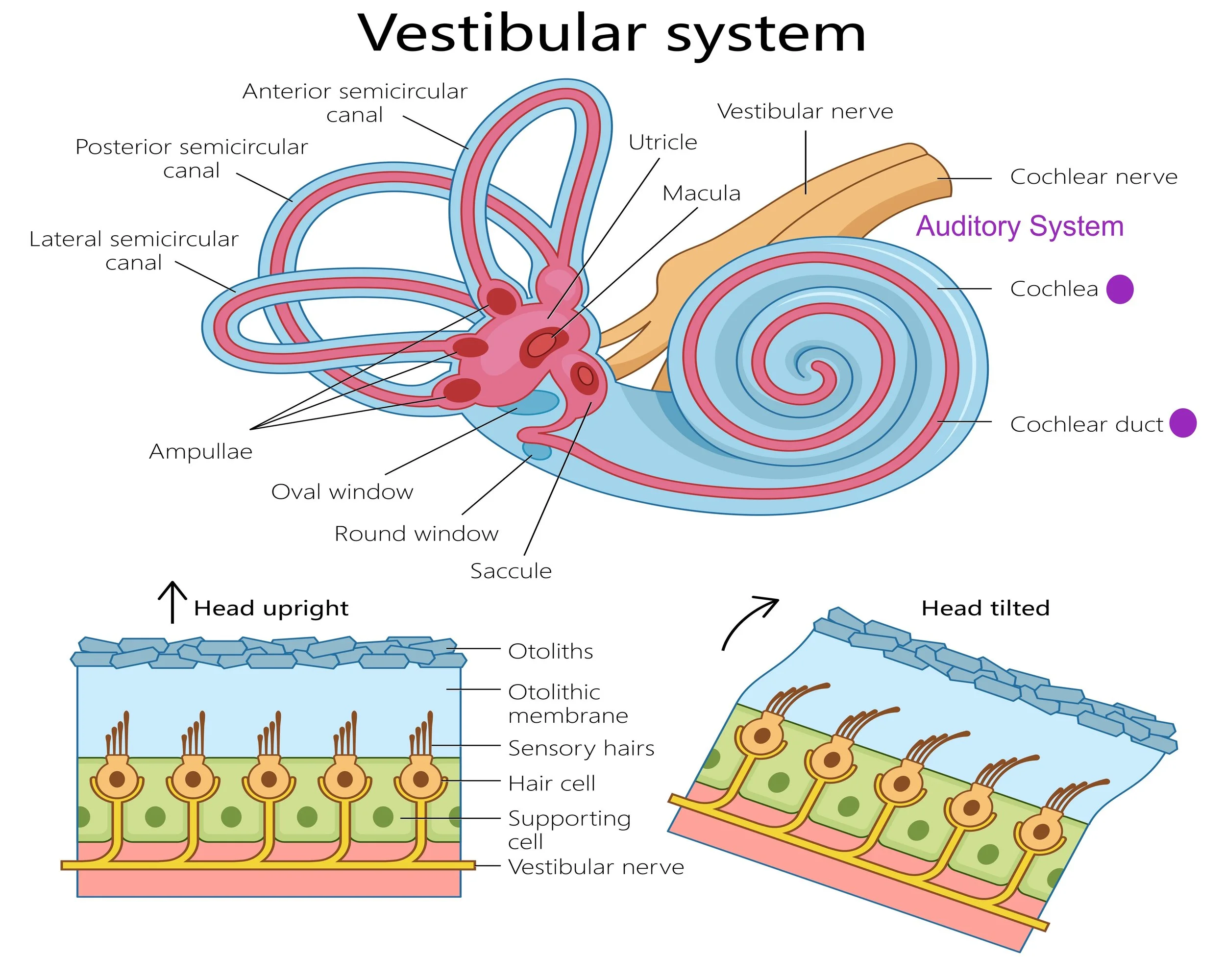
Vestibular System Development and Maintenance
The vestibular system is located in the inner ear and is comprised of organs for detecting gravity and angular momentum. This system functions to help us maintain balance and orient ourselves in three dimensional space. Although the earliest stages of inner ear development have been extensively investigated, the molecular mechanisms that regulate later stages of vestibular maturation and maintenance remain incompletely understood.

Research
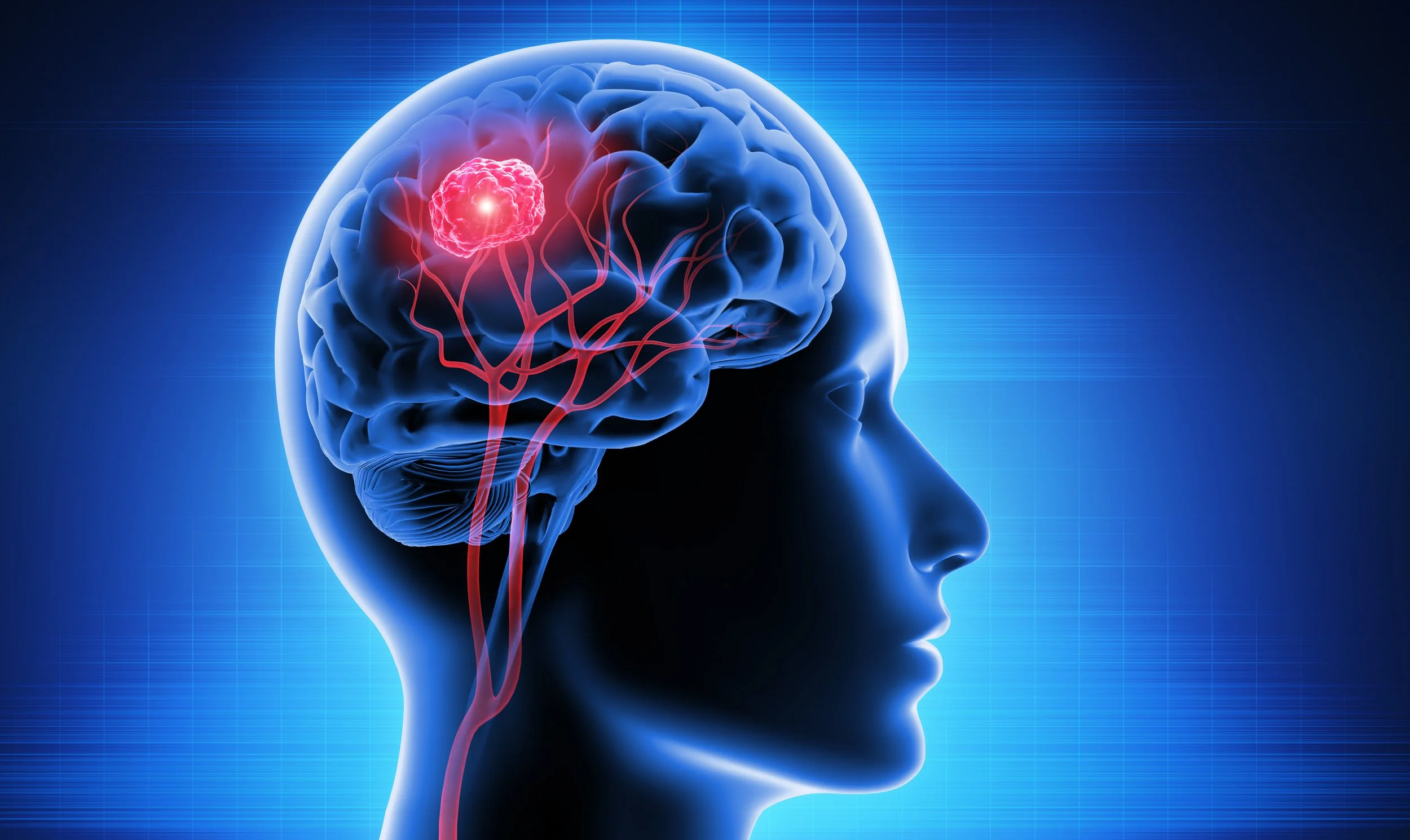
Understanding the Glioblastoma Tumor Microenvironment
Glioblastoma is the most frequently occurring malignant primary brain tumor in adults and the standard of care for those afflicted with this tumor still results in a poor survival rate. Glioblastoma develops within a complex cellular environment composed of malignant cells together with immune, vascular, and stromal cell populations. Understanding the interactions among these cell types and how their interactions influence tumor progression, therapeutic response, and disease recurrence is critical for the development of more effective treatments.